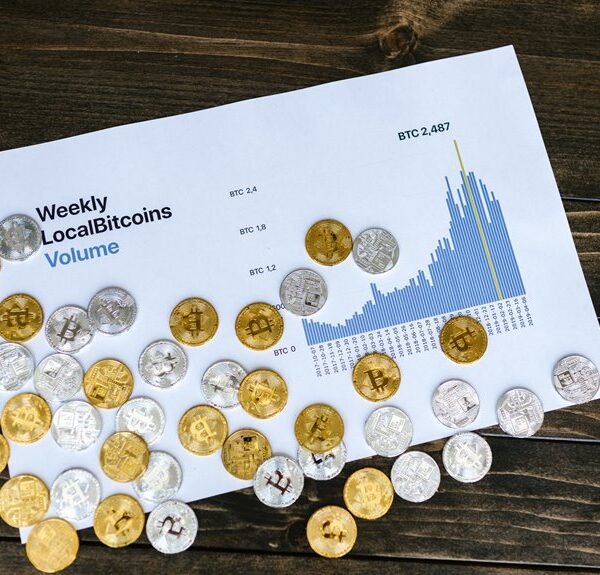
You might notice that blockchain technology is evolving rapidly in 2023, with trends reshaping industries. Enhanced decentralized finance and improved interoperability are at the forefront, while smart contracts streamline supply chains. Yet, regulatory uncertainties and scalability issues remain significant hurdles. As you explore these developments, consider how they could redefine asset control and transparency in the future. What implications might these trends have on your own ventures?
Blockchain Applications in Various Industries
Blockchain technology is revolutionizing various industries by enhancing transparency, security, and efficiency.
In supply chain management, it ensures traceability.
In healthcare solutions, it safeguards patient data.
Financial services benefit from faster transactions.
Voting systems gain integrity and trust.
Digital identity verification reduces fraud, while real estate transactions become more secure and streamlined.
Each application showcases blockchain’s potential to empower and liberate users.
Innovations in Blockchain Technology for 2023
As the demand for decentralized solutions grows, innovations in blockchain technology for 2023 are set to transform various sectors.
You’ll see advancements in decentralized finance and smart contracts, enhancing supply chain efficiency and digital identity verification.
Blockchain interoperability will enable seamless integration, while tokenization and privacy solutions strengthen user control.
New governance models will emerge, fostering transparency and community engagement in decentralized ecosystems.
Top Barriers to Blockchain Adoption in 2023
Adoption of blockchain technology faces several significant barriers in 2023.
Regulatory challenges create uncertainty, while scalability issues hinder widespread use.
Security concerns continue to plague potential adopters, and interoperability hurdles complicate integration with existing systems.
Additionally, user education remains inadequate, causing confusion.
Cost barriers further restrict entry, limiting the technology’s potential to empower individuals seeking greater freedom in digital transactions.
Future Predictions: What’s Next for Blockchain?
While many are grappling with the current challenges of blockchain, the technology’s future holds transformative potential.
You can expect advancements in decentralized finance, enhancing accessibility and reducing barriers.
Supply chain transparency will improve, enabling real-time tracking and accountability.
As adoption grows, innovative solutions will emerge, empowering users and reshaping industries towards a more decentralized and efficient economy.
Conclusion
As blockchain technology continues to evolve, staying ahead of the curve is crucial. The innovations in decentralized finance and smart contracts are paving the way for a more transparent and efficient future. However, you can’t have your cake and eat it too; overcoming regulatory hurdles and scalability issues remains essential. As adoption accelerates, expect transformative shifts across industries, unlocking unprecedented opportunities and reshaping the digital landscape. Embrace these trends to harness blockchain’s full potential.